Arrive ready to give the collection time
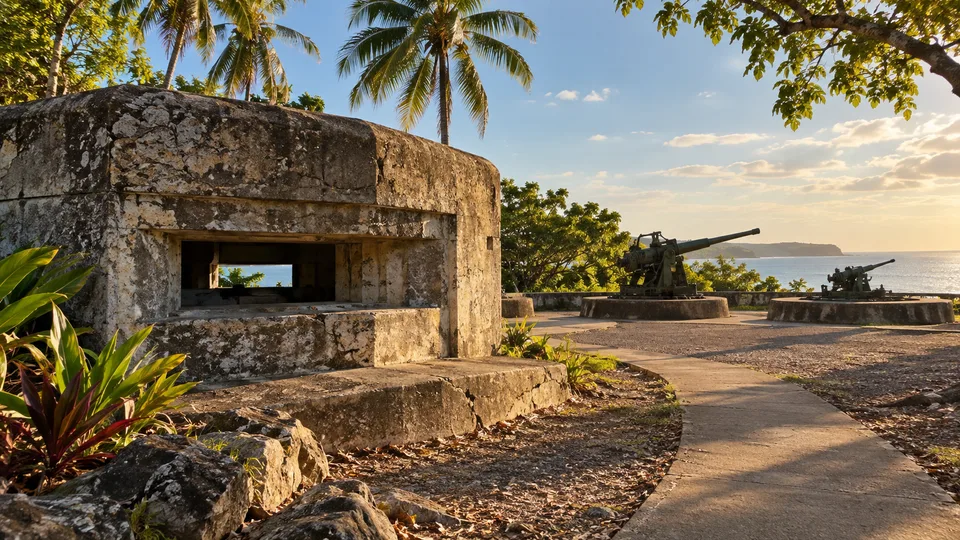
Darwin Military Museum is at East Point, where the official museum page recommends allowing at least three hours for the visit. That is useful advice: the collection covers Australia’s involvement in conflicts from the Great War to the present, and includes the Bombing of Darwin Experience and Darwin Holocaust Memorial and Education Centre. Instead of treating it as a quick stop between city sights, leave a clear window in the day. Start with the museum’s orientation material and decide which questions you want the objects, displays and site to help you consider.
Let the setting add context
East Point is part of the story, but the buildings, artefacts and interpretation should lead rather than assumptions based on the coastal landscape. Move between indoor and outdoor material at a comfortable pace, especially in Darwin heat. The museum’s collection includes military artefacts and historical material that can be emotionally demanding. Allow time to read labels and pause; the most useful visit is not one that tries to absorb every object, but one that understands why particular evidence has been kept and presented.
Approach conflict history with care
Wartime history contains loss, fear, service and decisions that should not be reduced to equipment or dramatic imagery. In spaces devoted to the Bombing of Darwin or Holocaust education, follow the museum’s interpretive sequence and use precise, respectful language with companions. Do not invent personal stories from a uniform, weapon or photograph. If a younger visitor is unsettled, step outside or choose another part of the site. A museum visit can be valuable without forcing every room or display into one sitting.
Plan the practical details
The operator currently lists opening from 9.30 am to 4 pm Monday to Saturday, and 10 am to 3 pm on Sundays and public holidays, with specified holiday closures. Check the museum’s own page before travel because hours and ticket arrangements can change. It lists free parking, Wi-Fi, restrooms and service animals. If access support, a Companion Card, group arrangements or a particular exhibition matters to your visit, contact the museum in advance rather than relying on a general listing.
Balance learning with the day outside
A long historical visit is easier when you plan for water, sun protection and a quiet break. East Point can be paired with outdoor time, but do not schedule that so tightly that you rush through the museum. Keep food, photography and conversation appropriate to the rooms you are in, and observe any directions from staff. If the collection prompts questions you cannot answer on the spot, note them and return to the museum’s official resources rather than filling gaps with speculation.
Before you go
Confirm the day’s opening hours, prices, current exhibitions and access information directly with Darwin Military Museum. Arrive with enough time for the interpretation to set the pace, particularly if you want to see more than one major display. The value of this visit is not only the scale of its artefacts, but its ability to connect a specific Darwin setting with wider histories of conflict, memory and responsibility.
Take away a useful question
Before leaving, make a note of one detail you want to verify or understand better. Returning to the operator’s current information is more useful than treating a short guide as the final word on a changing public place.
Sources
Sources last validated: 14 September 2026.